Grazing Prevents Wildfires

Grazing Prevents Wildfires

Brought to you by

How Do Cattle Prevent Wildfires?

Background

According to the National Interagency Fire Center, there have been over 75 million acres burned in the past 10 years, which is roughly 62,000 acres burned per year. It is estimated that ranchers manage nearly 250 million acres across the West, which are all at risk of wildfire.

The 2026 Budget combines the WFM programs and activities across the U.S. Department of the Interior (Interior) and the U.S. Department of Agriculture (USDA) Forest Service (FS) into a single organization called the U.S. Wildland Fire Service (USFWS). The operations account for 2026 is $3.70 billion with a request of $2.85 billion for the Wildfire Suppression Operations Reserve Fund. Thus totaling $6.55 billion for the budget.

Impacts to grazing operations: Wildfires destroy vegetation, including forage, leading to reduced forage availability for grazing livestock. Forage production can be negatively impacted in the year following a wildfire, especially in dry years. This loss can last for multiple years, particularly after severe fires.

Soil Damage and Erosion: Fires remove plant litter and organic matter, increasing the risk of wind and water erosion. High-intensity fires can create hydrophobic or water-repellent soil conditions, hinder water infiltration, and increase runoff. Severe fires can lead to significant soil movement and can take years to recover. Oftentimes, ranchers cannot graze wildfire-stricken lands for over two years.

Livestock Health and Stress: Wildfires and smoke expose livestock to health risks, including respiratory issues like pneumonia and reduced weight gain. Livestock may experience stress from evacuations, confinement, and altered grazing conditions.

Infrastructure Damage: Wildfires can destroy fences, barns, and other critical ranch infrastructure.

Financial Strain: The costs associated with feed purchases, infrastructure repair, and potentially reduced herd size can be financially devastating for ranchers.

Wildfires are the fastest-growing sources of hazard related damages in the United States, today. For state budgets, they pull from a general fund revenue for wildfire activities and wait for reimbursements. The increased need for assistance leaves states and their budgets drained. For example, from 2010 to 2014, Washington state spent an average of $24 million in state funds. From 2015 to 2019, the average more than tripled to $83 million. This increase in state funding for wildfire suppression is an uphill climb.
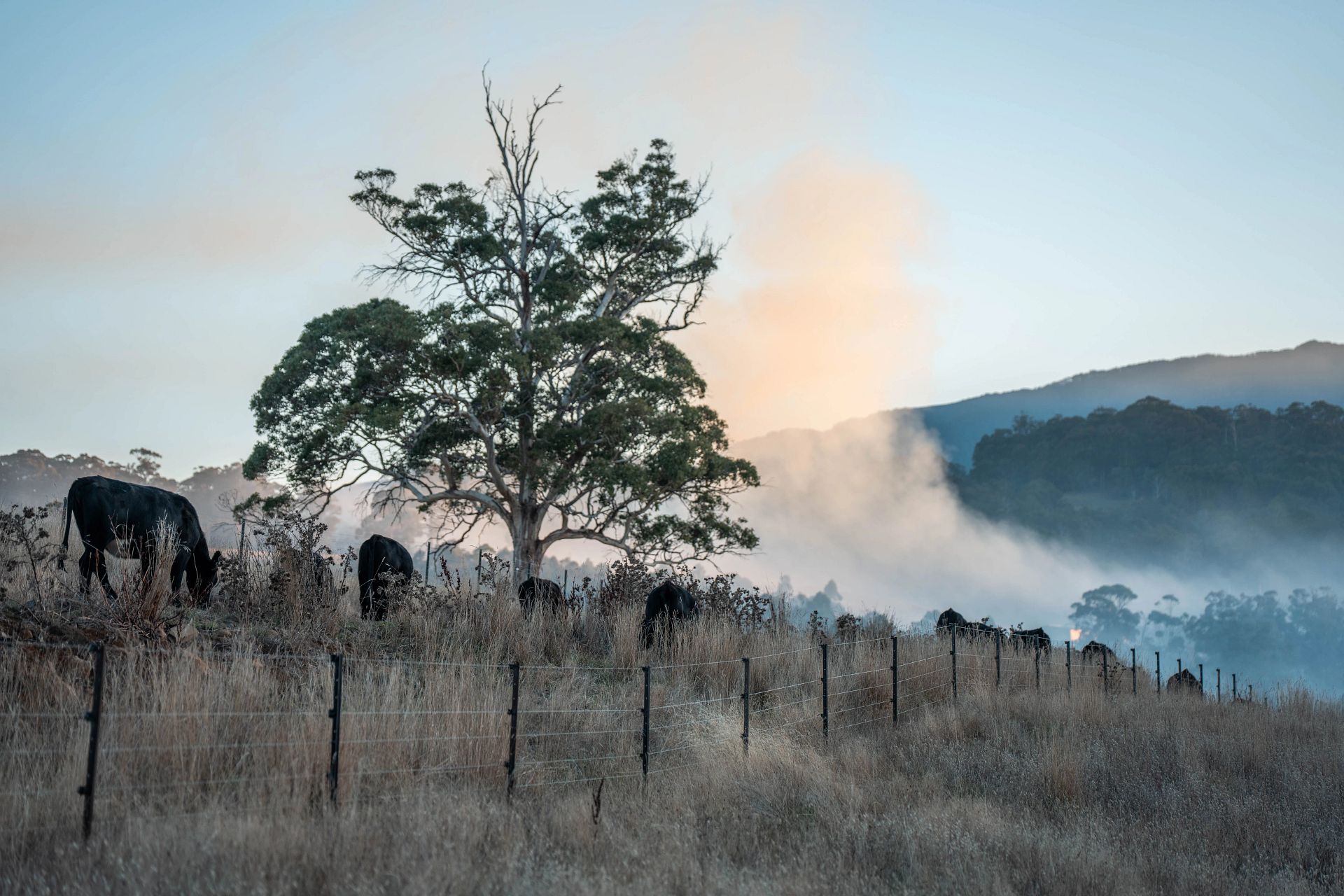
The Role of Grazing in Reducing Fine Fuels

Grazing’s role in mitigating wildfires can be broken down into three main categories.

Grazing Prevents Wildfires

Environmental: grazing reduces the risk of wildfire ignition by up to 50%. 

Grazing Prevents Wildfires

Economic: Grazing generates $8.58B in ecosystem services annually. 

Grazing Prevents Wildfires

Multiple Use: Rangelands that are grazed are home to 2 to 3 more native pollinators.

What Can We Do Next?

Summary of recommendations that PLC has made for expanding use of grazing to reduce wildfire.

Support H.R. 1110, the Grazing for Wildfire Risk Reduction Act

  • Cortez Masto Pushes for Strategic Grazing to Reduce Wildfire Risk - Senator Catherine Cortez Masto
  • PLC supports the bill and issued the following statement: Ranchers and researchers alike know that grazing prevents wildfires. Not only is livestock grazing proven to reduce the risk of catastrophic wildfire, but grazing also reduces the intensity and speed of fire if one breaks out. Western ranchers stand ready to be partners with the federal government in reducing catastrophic wildfire, and Senator Cortez Masto’s strategic grazing legislation is welcomed by rural communities across the West that know all too well the threat that wildfire poses.

Support H.R. 471, the Fix our Forests Act

  • H.R.471 - 119th Congress (2025-2026): Fix Our Forests Act | Congress.gov | Library of Congress
  • Forestry Bill One Pager
  • Section 113 – Intra-agency Strike Teams, which ensures that National Environmental Policy Act (NEPA) and other planning requirements are completed
  • Section 117 - builds on prior language to strengthen collaboration and resource sharing between federal agencies, further enhancing their capacity to manage forests effectively.
  • Section 121 – Commonsense Litigation Reform, which is also crucial for providing long-term durability to agency decisions, enabling them to prioritize forest health over frivolous lawsuits.

Support S.211, the Resiliency for Ranching and Natural Conservation Health Act

Support S. 140 the Wildfire Prevention Act of 2025

Make Our Voices Heard

"High intensity grazing for a short time can reduce up to 42% of fuels on the landscape which not only reduces the intensity of fire but improves post-fire regrowth."

Sherri Brennan

"Across the West, federal lands grazing contributes an additional $3.7 billion in ecosystem services on an annual basis in services like wildfire risk reduction, offsetting the need to conduct invasive annual grass treatments, infrastructure maintenance, protection of wildlife habitat, prevention of water and air contamination, and more."

Jeff Young

How Do I Get Involved?

Grazing permittees should become a member of their state Public Lands Council affiliate and get engaged in the local conversations. Being at the table is the best way to ensure your needs are met in federal conversations.

Not a grazing permittee, but still want to support? Contact PLC, become a member of our national affiliates, and support PLC's federal advocacy work.

 Learn More